Heidi Vähänikkilä
11.6.2026
European Group for organizational Studies (EGOS) has established a strong presence in the community of professionals who gather yearly to the EGOS conference. It aims to further the theoretical and/or empirical advancement of knowledge about organizations, organizing and the contexts in which organizations operate (EGOS 2026). In 2025, for the first time, ”A Tavola!” subtheme was organized with focus on crossing perspectives and mixing ingredients to study organization in the hospitality industry at EGOS in Milan. Following a successful implementation, in May 2026 A table! Hospitality, Food & Wine Conference was organized in Lyon, France. This full conference, organized by iaelyon School of Management, in partnership with emlyon business school, brought together people from around the world (iaelyon 2026).
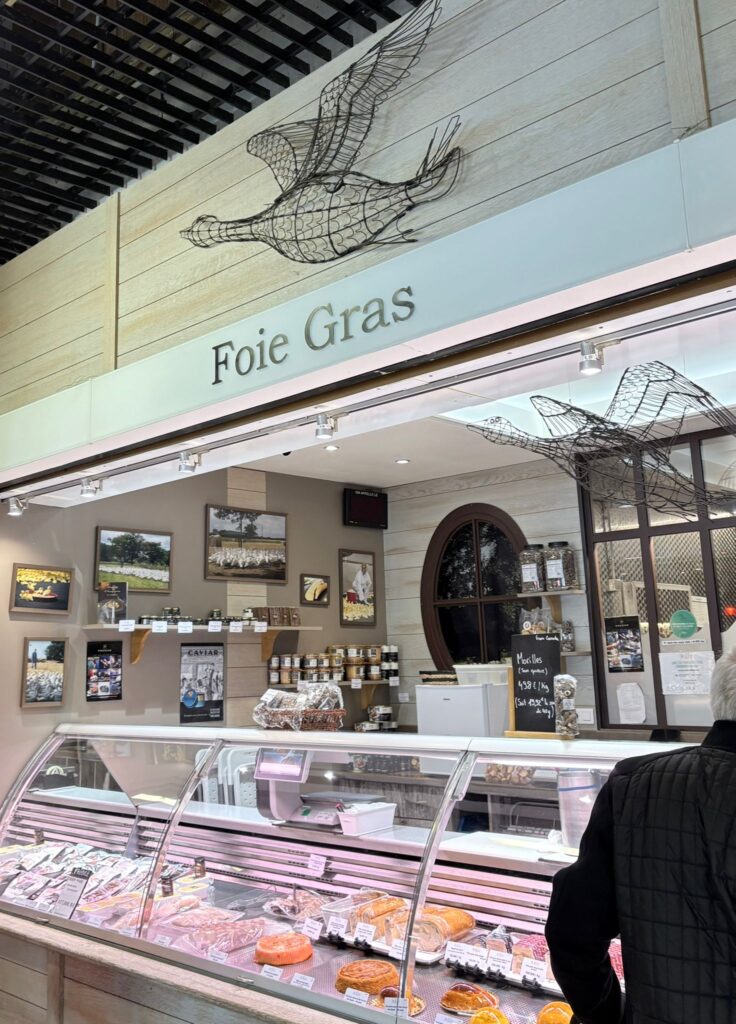
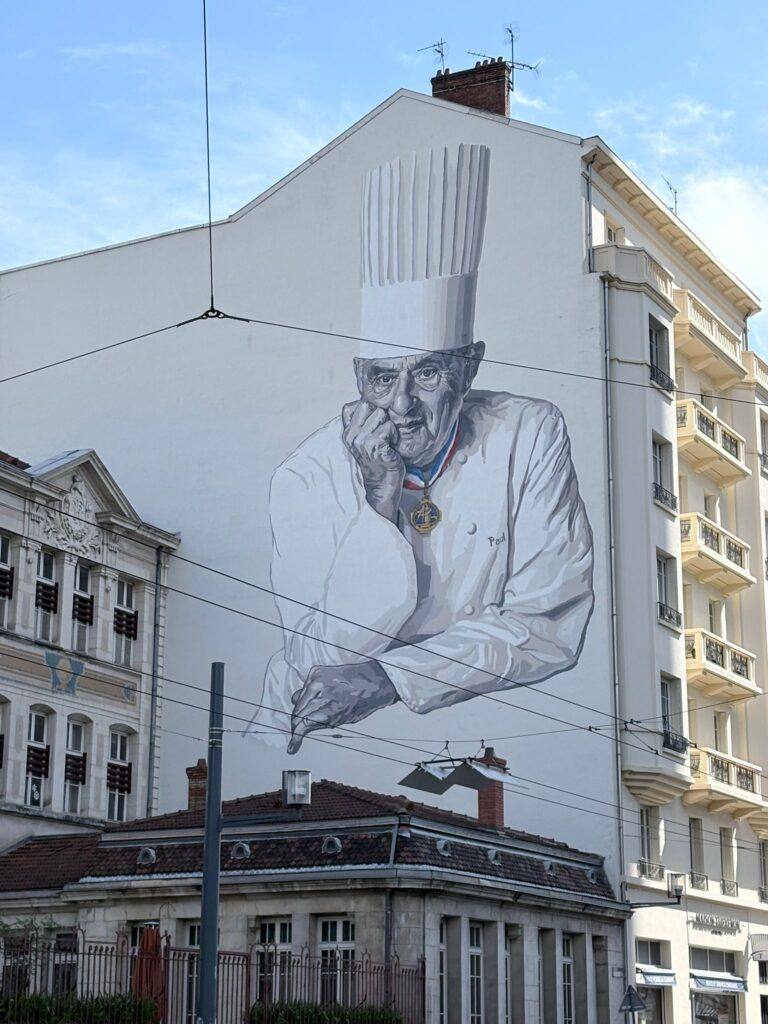
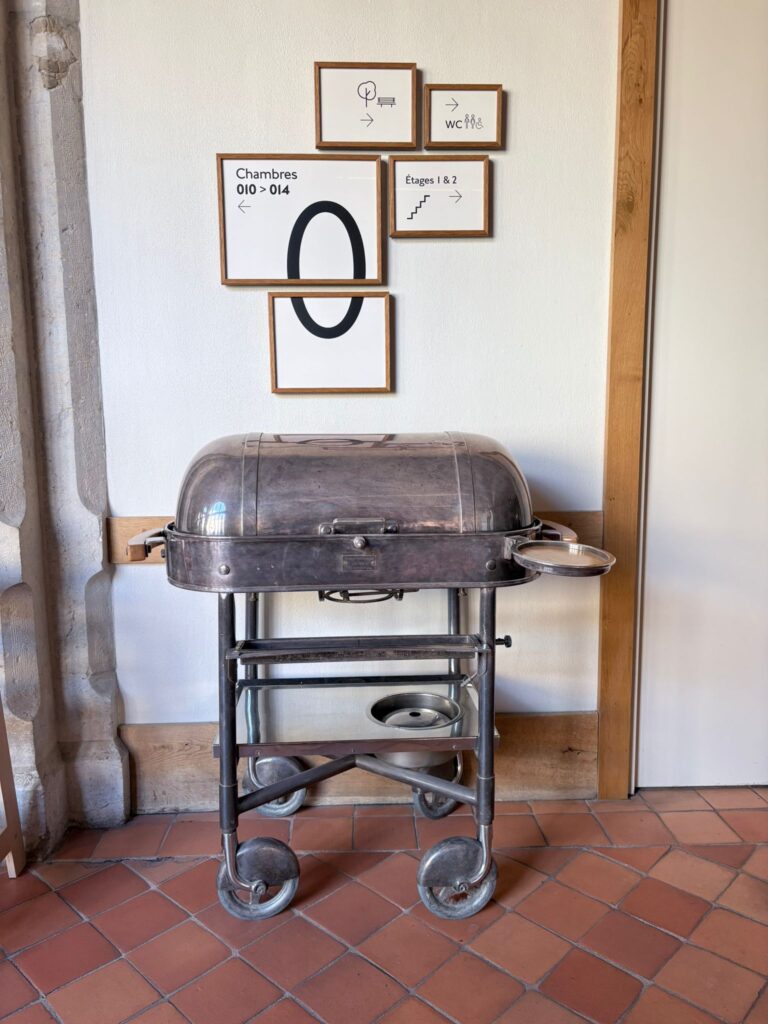
Lyon, gastronomic capital of France and the world (Vähänikkilä 2026)
Experience Economy – The Finnish Perspective
Today, the wholesome ecosystem of Experience creation includes a strong network of different actors in Finland. Nearly thirty years ago, Pine and Gilmore (1999) introduced the concept of the experience economy as a theme that would transform economic development in the years ahead. Companies would shift from producing goods and services toward offering comprehensive experiences. In the updated edition of their book (Pine and Gilmore 2011), they continued to emphasize, especially for the hospitality industry, the importance of focusing genuinely on the question of “how” experiences are created rather than simply “what” is produced, as little substantial development had occurred over the previous fifteen years. According to the study by Business Finland (2024), the experience economy contributed 26.5 billion euros to the Finnish economy in 2023. At the same time, there were 23,500 companies generating over 50,000 euros in annual turnover, and the sector’s employment impact amounted to 114,700 full-time equivalents. At Laurea University of Applied Sciences, Experience economy is part of the Hospitality Management Degree Programmes.
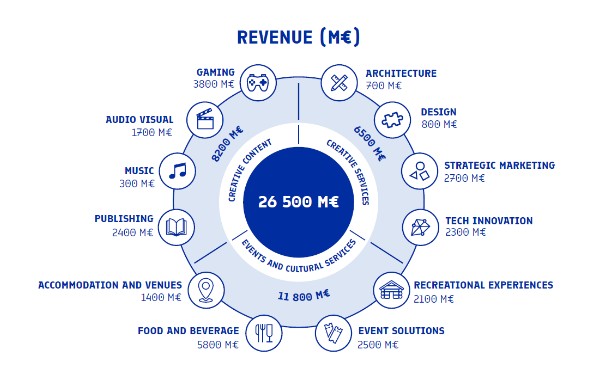
(Business Finland 2024
Current Issues and Possibilities of Futures Thinking
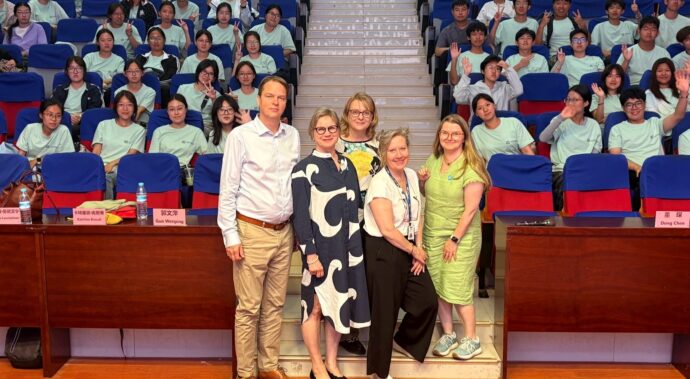
Organizations in hospitality, food and industries face, and often anticipate, a wide variety of issues: cultural transformations, technological innovation, environmental challenges, labor dynamics, market reconfigurations, and evolving professional practices (iaelyon 2026). Futures Thinking was one of the topics discussed in the conference. Presentation by Senior Lecturer in Hospitality Management at Laurea University of Applied Sciences, Heidi Vähänikkilä, introduced the possibilities of futures thinking.
In the book How Do We Study Futures? (Heinonen et al. 2013), the concept of futures thinking is described as follows: “A future-oriented mindset that is interested in or concerned about issues and phenomena related to the future. It is based on the need and desire to gain clarity about what may happen in the future and to find the foundations for choices made in the present. Koskelo (2021) links futures thinking to its concrete application in the business world as strategic foresight, which is carried out in companies to support and inform strategy work. In this approach, the traditional strategic planning process is combined with foresight methods and practices.
Koskelo (2021) summarizes benefits of foresight as follows:
1. Increased understanding of different levels of change drivers that influence an organization’s competitiveness and success
2. Identification of new business models
3. Reduction of uncertainty and enhancement of future awareness
4. Active shaping of the future; foresight methods enable the creation of pathways toward a desired future and the identification of elements that can be influenced
5. More options; foresight increases the number of alternatives available for decision-making
6. Future-proof allocation and acquisition of resources and investments
7. Building an attractive brand; companies can strengthen their brand by participating in future-oriented discussions
8. Engagement in future-making; a foresight process that involves employees and stakeholders helps commit them to necessary change and a shared vision
9. Extending the time horizon from short-term to long-term

In business development, modelling different possible futures can help stimulate new thinking and break away from organizational habits and routines, the so-called inertia. One possible method for this is scenario work. It provides a systematic futures-thinking tool that enables deliberate construction of narratives about various potential futures. To support the thinking process, scenarios are typically linked to a specific future year, such as scenarios describing what food production might look like in 2050 and how the transition unfolds over time. Scenarios can be used, for example, to collect information needed for decision-making, identify uncertainties, or test how a strategy performs across alternative futures (Lätti et al. 2022). In the experience economy, particularly in the field of tourism, Professor Yeoman, a key figure and discussion opener, notes that futures research has become a central topic in tourism studies since 2021 (Postma et al. 2023). Academic discussions using scenario work have explored, for instance, the impact of robotization on service delivery (Ivanov et al. 2025) and the role of science fiction in shaping the future of tourism (Yeoman et al. 2021).
Hospitality of Lyon will continue in co-operation with Laurea
From “mères lyonnaises” (female cooks who ran accommodation facilities renowned for outstanding home cooking) to world-class chefs; from authentic “bouchons” restaurants to exclusive fine dining; from the UNESCO World Heritage listed old city to the vast vineyards of Beaujolais and Côtes-du-Rhône, this conference enabled partcipants personally experience its multiple facets. Legacy of this new conference will continue – before meeting in the next conference, new partnerships and collaboration will be brought to life between Laurea University of Applied Sciences andInstitut Lyfe (formerly Institut Paul Bocuse) and other participants via collaborative online intensive learning (COIL) incentives.
References
- Business Finland. Naumanen, M. 2024. Policy brief: Experience industry bounces back from theCOVID-19 pandemic and reaches a new record-high revenue of 26.5 billion euros in 2023. Referred 24.5.2026
- Emlyon Business School 2026. About us. emlyon business school | Top ranked & Accredited Institution Referred 23.5.2026
- European Group for Organizational Studies EGOS 2026. About EGOS. EGOS – About EGOS – European Group for Organizational Studies Referred 24.5.2026
- Heinonen, S., Kurki, S., Kuusi, O., Ruotsalainen, J., Salminen, H., & Viherä, M.-L. 2013. Miten tutkimme tulevaisuuksia? Tulevaisuuden tutkimuksen seura, 2013.
- iaelyon School of Management 2026. Programs. Programs – iaelyon School of Management Referred 25.5.2026
- iaelyon School of Management 2026. A table! Hospitality, Food & Wine Conference. A table! Hospitality, Food & Wine Conference – iaelyon School of Management Referred 23.5.2026
- Institut Lyfe 2026. About us. Discover Institut Lyfe I About us Referred 26.5.2026
- Ivanov, S., & Webster, C. 2025. Future tourism in a robonomic world. Channel View Publications.
- Koskelo, M. 2021. Tehtävänä tulevaisuus. Alma Talent.
- Lätti, R., Malho, M., Rowley, C., & Frilander, O. 2022. Skenaarioiden rakentaminen tulevaisuustaulukkomenetelmällä. Tulevaisuudentutkimus tutuksi. https://tulevaisuus.fi/wp-content/uploads/2025/07/tva-1-2022-latti-etal.pdf
- Pine, B. J., & Gilmore, J. H. 1999. The experience economy: Work is theatre & every business a stage. Harvard Business School Press.
- Postma, A., & Yeoman, S. 2024. The future of tourism: Interview with Ian Yeoman about theJournal of Tourism Futures. Journal of Tourism Futures, 10(3): 385–396.
- Yeoman, I., McMahon-Beattie, U., & Sigala, M. 2021. The future of tourism: Science fiction,disruption and tourism. Channel View Publications.